
About The Author
Socrates Johnson is the pen name of an American writer whose work sits at the intersection of philosophy, literature, and speculative fiction. The pseudonym, inspired by a formative encounter with philosophy through a favorite film from the 1980s, gestures toward the Socratic tradition of inquiry: one grounded not in doctrine or written treatise, but in questioning, dialogue, and examination.
While Socrates himself left nothing written, preferring conversation as the true arena of philosophy, Johnson's work reflects a later recognition (shaped through formal academic study) that writing and literature can serve as gateways to philosophical reflection. Stories and texts may introduce ideas, provoke thought, and frame questions, but philosophy in its fullest sense remains something that ultimately unfolds between persons. The fiction written under this name is meant to invite that dialogue rather than replace it.
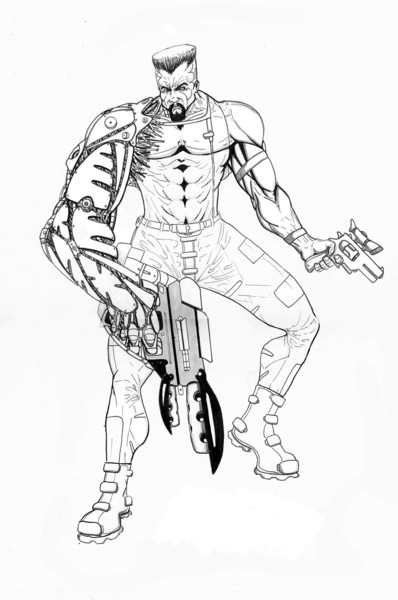
The author followed a circuitous path through early collegiate study, visual storytelling, military service, and later formal philosophical education. College began on a journalism scholarship (less a mark of brilliance than a reliable indication of basic literacy) which nonetheless proved useful as a way to take philosophy classes alongside reporting and writing. That early academic detour was cut short by a decision to volunteer for deployment to Afghanistan in 2009. What followed was a twenty-year career in the U.S. Army, before a deliberate return to the philosophical questions that had first drawn this work toward inquiry, art, and literature.
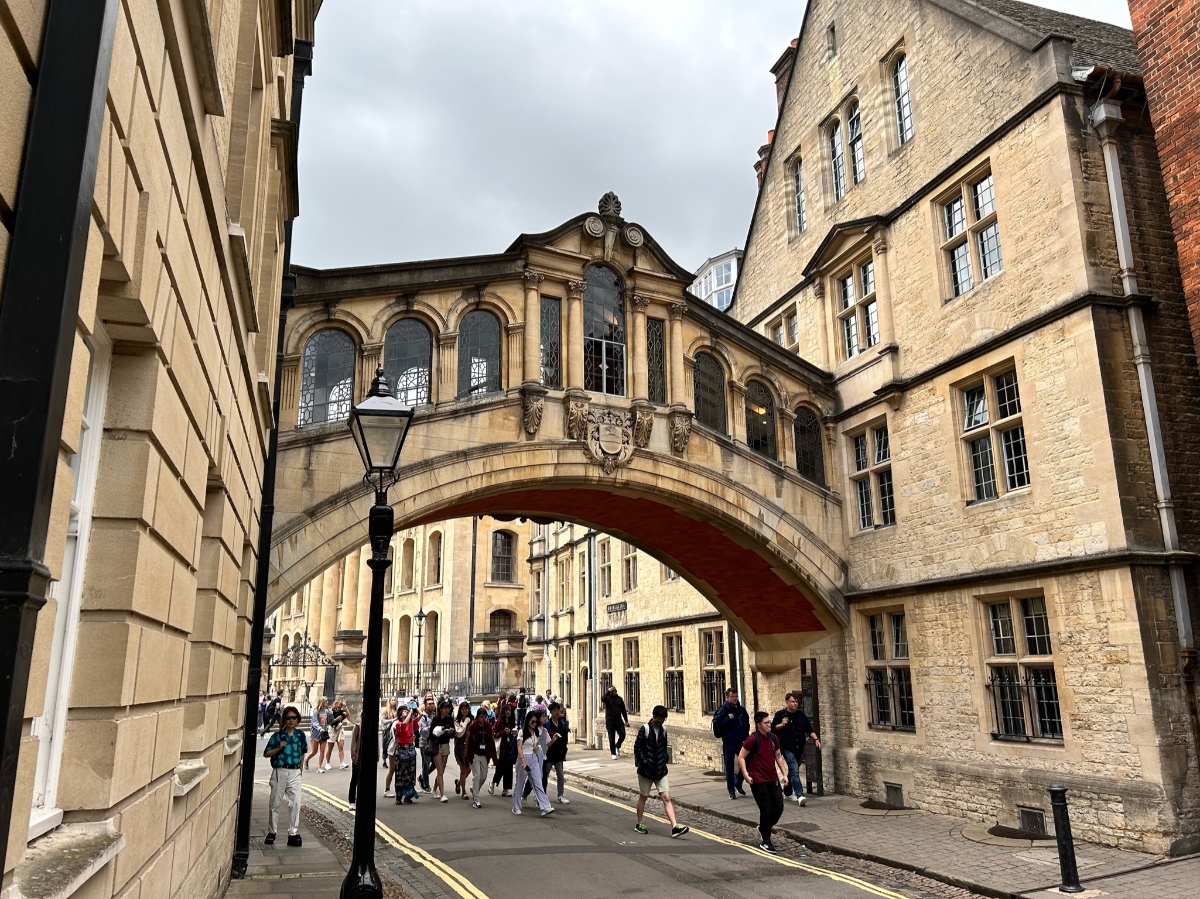
Formal study resumed at the University of Oxford, culminating in an undergraduate Certificate of Higher Education in Philosophy, with particular focus on classical ethics, free will, and the conditions of human agency in technologically mediated societies. This intellectual grounding now runs directly through the fiction: the novels are not written as escapism, but as extended thought experiments embedded in narrative form.
Literarily, Johnson draws from Fyodor Dostoevsky, Leo Tolstoy, George Orwell, and Alexandre Dumas. These figures are treated not as models to imitate but as intellectual ancestors whose seriousness about human nature, power, and moral responsibility continues to shape the work. The author's deep love for Russian novels has been a profound inspiration, not only for the philosophical depth and moral complexity they bring to storytelling, but also for the sweeping, epic scope they achieve. For the past three and a half years, the author has been studying the Russian language for the sole purpose of reading original Russian literature without the assistance of translated copies: a commitment to engaging with these masterworks in their purest form.
In the realm of science fiction, the author's influences include Frank Herbert, Isaac Asimov, and Philip K. Dick. These are visionaries who understood that the best speculative fiction asks profound questions about consciousness, reality, and what it means to be human.
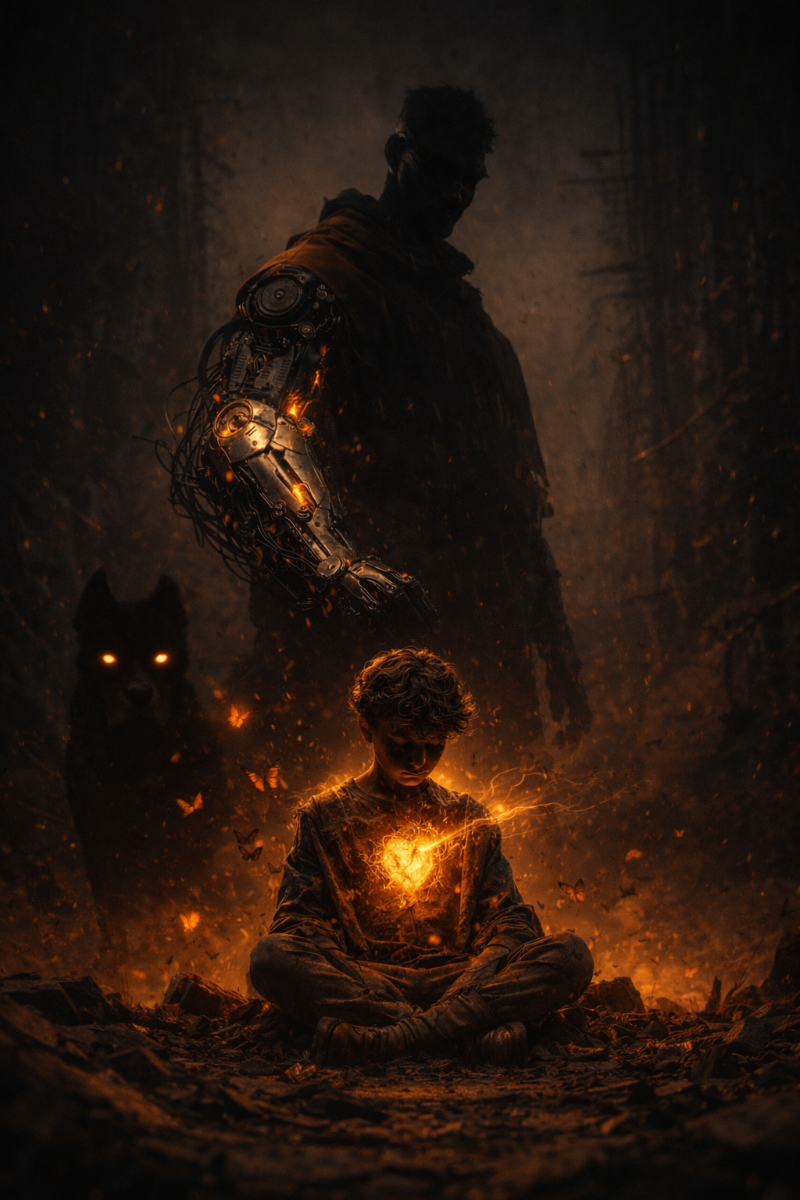
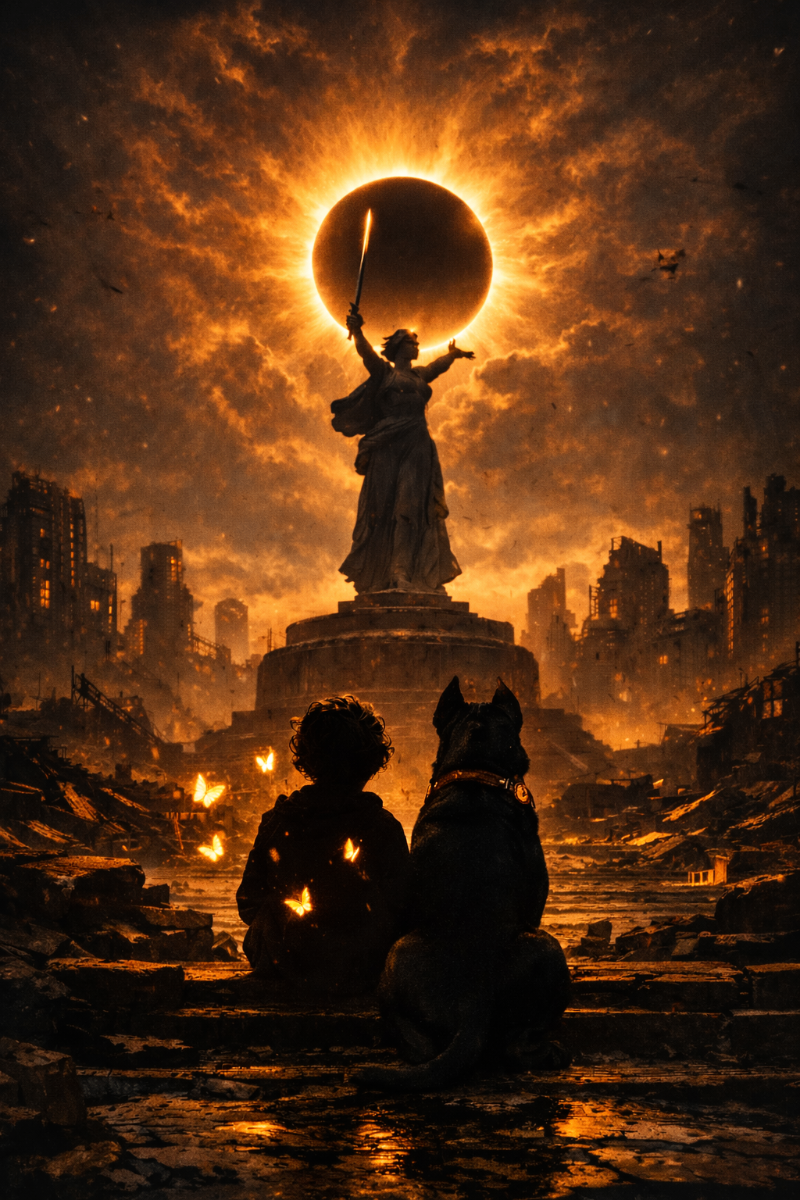
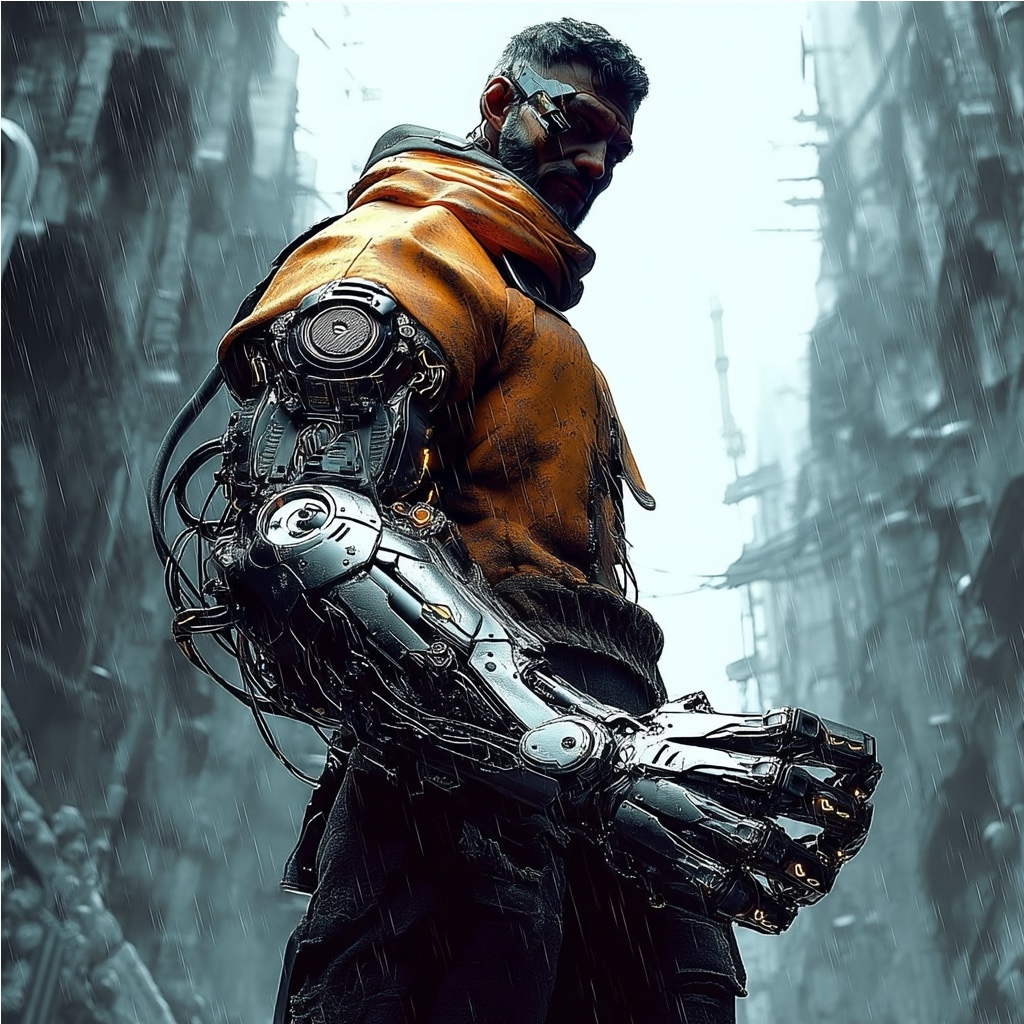
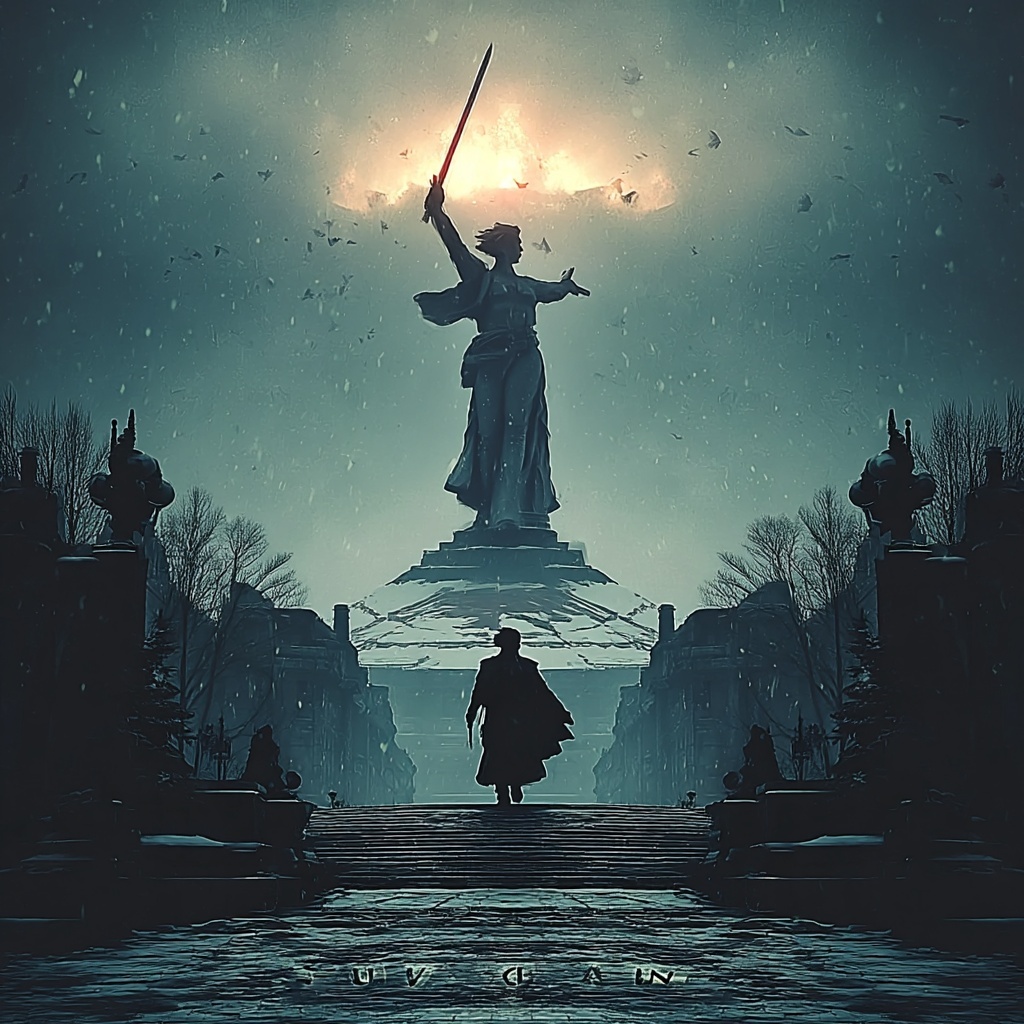
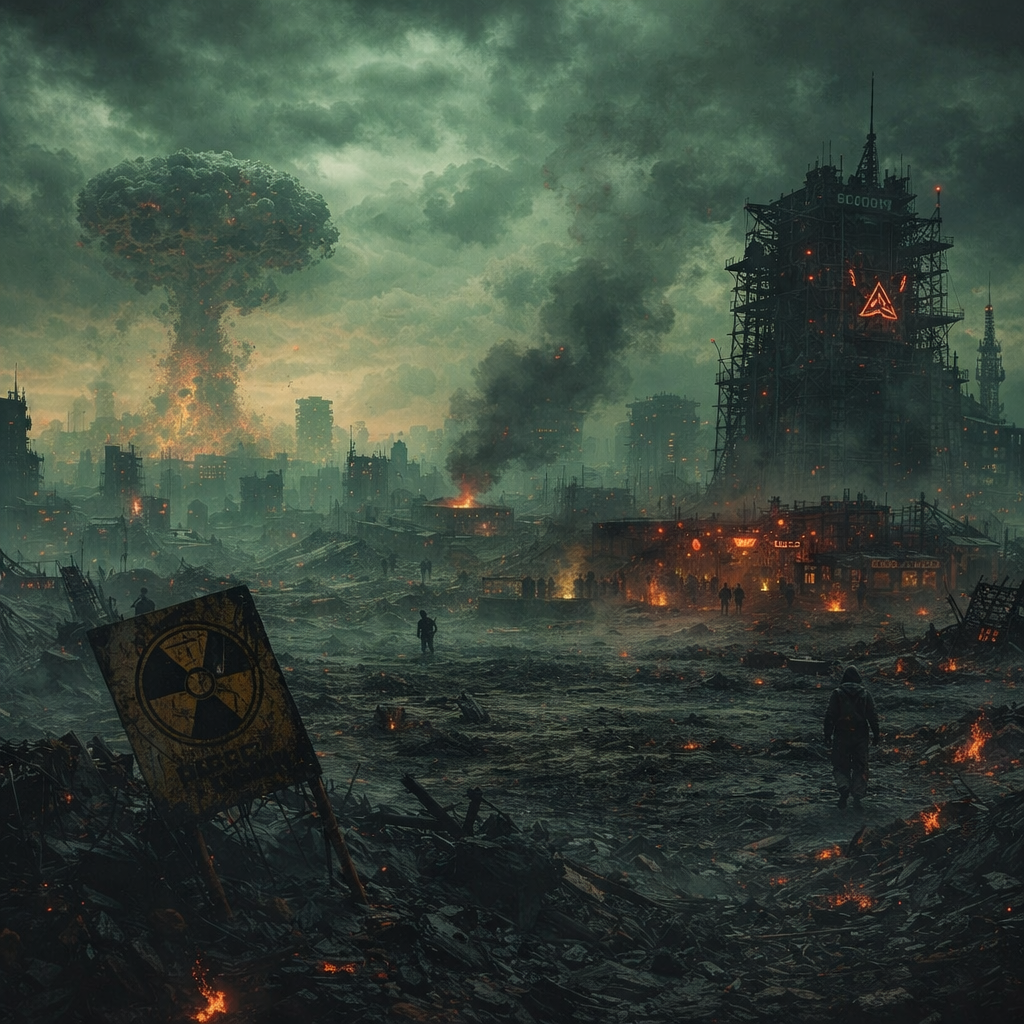
The SuperUnknowN was first conceived in 1995, long before artificial intelligence or transhumanism entered mainstream discourse. For more than three decades it was refined, discarded, and rebuilt through art, war, study, and loss: a philosophical science-fiction epic about the enduring power of the human soul.
The author makes no claim to greatness. The literary giants mentioned here (Dostoevsky, Tolstoy, Orwell, Dumas, Herbert, Asimov, Dick) set a standard that may well remain beyond reach. But the goal has never been to match their genius. It is simply to write to the best of one's abilities, to pursue the work with honesty and care, and to leave behind a body of work worth standing by: something that reflects the questions that matter most, told as well as this writer knows how.
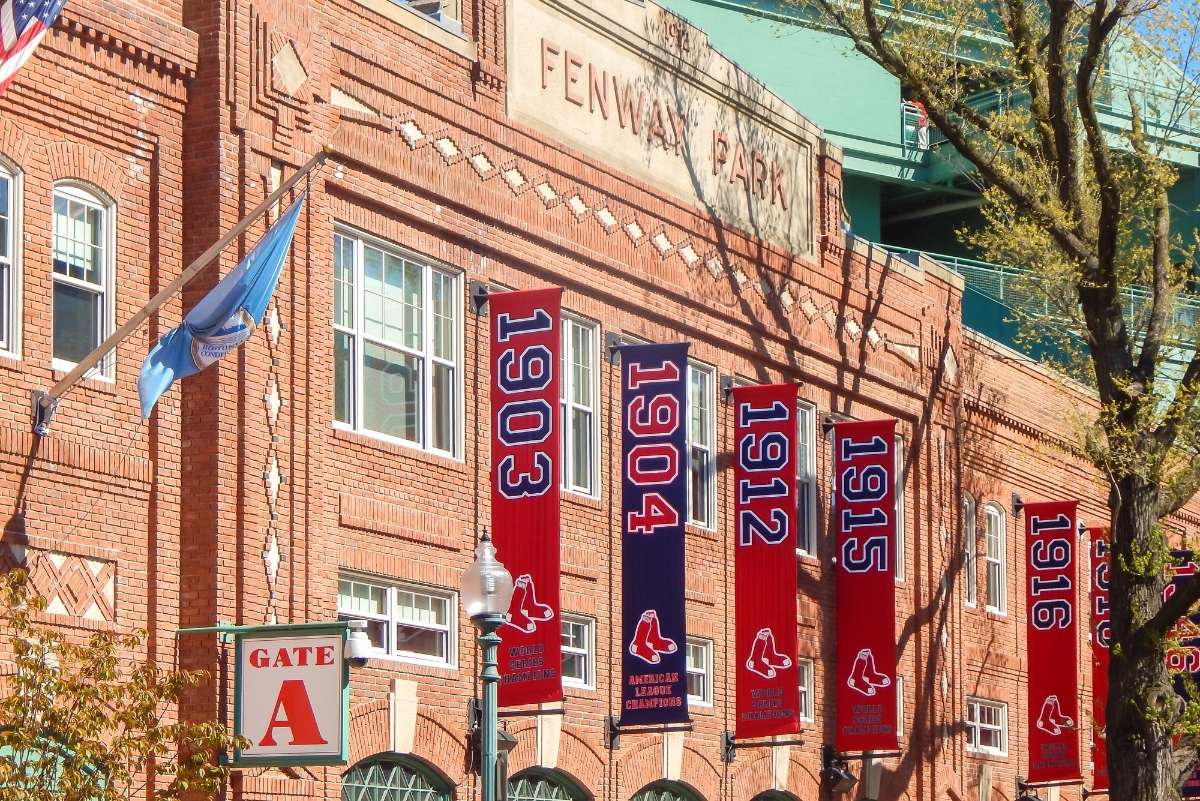
Today, Johnson lives quietly near the mountains with his wife and their dogs. There are three things in this world he loves absolutely: his wife, his dogs, and philosophy (in that order). The only other thing that comes close is the Boston Red Sox.